

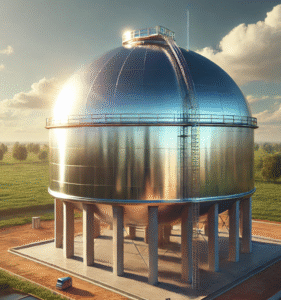
In an era marked by escalating climate volatility, urban growth, and increasing demands on infrastructural resilience, the importance of reliable water storage cannot be overstated. Water storage tanks serve as a silent backbone of many systems—from domestic water supply to fire protection and emergency preparedness. Whether housed in rural regions, atop multi-story buildings, or buried beneath our feet, these vessels ensure that when the moment of need arrives, water is ready and accessible. This article explores why water storage tanks are essential, how they serve a variety of uses, and why incorporating them thoughtfully into planning supports safety, sustainability and operational continuity.
Why Water Storage Tanks Matter
Water storage tanks provide critical value across several dimensions: ensuring supply, buffering against demand spikes, enhancing resilience, and safeguarding safety. Below are key points detailing their importance:
Ensuring Reliable Supply
At its core, a water storage tank functions as a reservoir—holding water until it is needed. As noted by industry sources, tanks are used for drinking water, irrigation, fire suppression and industrial processes. Wikipedia+2Firstank+2 In many systems, water must be available even when pumps fail, mains are impaired or municipal supply is cut. A water tank provides that buffer.
Supporting Fire Protection and Emergency Response
One of the most critical uses of water storage tanks is in fire protection systems. In many buildings and communities, municipal water systems alone cannot reliably meet the high-flow requirements of fire suppression. Tanks dedicated to fire protection store large volumes so that when an alarm sounds or hydrants are engaged, water is available in the quantity and pressure needed. According to the National Fire Protection Association standard NFPA 22, fire protection water tanks must be designed, installed and maintained to meet specifications for auxiliary water supply. nfpa.org+1
In addition, best-practice guidelines emphasize how tanks enhance resilience during wildfires and infrastructure stress scenarios. northernsonomacountyfire.org+1
Managing Demand, Pressure and Distribution
Beyond emergency use, tanks also play a key role in everyday hydraulic management. They help maintain steady pressure, buffer peaks in usage, and support distribution in areas where elevation, terrain or infrastructure may limit direct supply. For example, rooftop tanks in tall buildings allow for gravity-fed supply and reduce the reliance on complex pumping systems. Balkan Sewer & Water Main Service+1
In summary, water storage tanks help deliver water when and where it is needed—whether that’s for fire protection, domestic use, irrigation or infrastructure stability.
Key Considerations for Water Storage Tank Systems
Designing, installing and maintaining water storage tanks requires careful attention. Here are some of the most important factors to consider.
Materials, Location and Configuration
Water storage tanks come in many shapes, sizes and materials—steel, concrete, plastic, fiberglass and more. Wikipedia+1 Above-ground and below-ground options each have their pros and cons. As one article explains, underground concrete tanks may allow for safer worker access and lower maintenance in certain settings. Waterworld Meanwhile, above-ground or rooftop tanks may be easier to inspect and integrate into buildings but face wind loads, structural support needs and safety code requirements. Balkan Sewer & Water Main Service+1
Location is also critical: proximity to fire pumps or hydrants, access for firefighting personnel, structural integration in buildings, and compliance with fire codes all come into play. Balkan Sewer & Water Main Service+1
Capacity and Hydraulic Performance
For fire protection applications, the tank must be sized to deliver the required flow and residual pressure for the full duration of an event. As referenced above, NFPA 22 covers many of these design aspects. nfpa.org+1
But sizing isn’t just about emergencies: tanks for domestic, agricultural or industrial use must match daily consumption patterns, peak demands, and storage needs during pump outages or supply interruption. Storage systems also help reduce peak-capacity demands on pumps, reducing energy and maintenance costs. Waterworld+1
Maintenance and Safety Protocols
A tank is only as good as its maintenance. Regular inspection, cleaning, and ensuring the structural integrity (including valves, overflow protection, access hatches and support structures) are all vital. For fire-resilient systems, special attention must be paid to keeping the tank and its connections ready—even during wildfires or droughts. northernsonomacountyfire.org+1
Moreover, safety incidents demonstrate the risks associated with water systems that are not properly maintained. For instance, a recent tragic incident involved a water tank explosion at a resort while flushing water lines for winterization. https://www.wbay.com+1 While this involved a different type of tank failure, it highlights the importance of managing pressure, structural integrity and system configuration.
Integration with Fire Safety Infrastructure
From a fire safety perspective, a water storage tank must integrate seamlessly with the fire suppression infrastructure: reliable pumps, piping, valves, fire department access, hydrant compatibility, redundancy, and emergency power. Tanks dedicated to fire protection should be monitored to ensure water levels meet design specifications and that connections remain unobstructed. The interdependence of the tank, the fire protection system and the wider water supply network cannot be overlooked.
The Broader Impacts of Water Storage Tanks
Beyond their immediate function, water storage tanks deliver broader benefits for communities, businesses and the environment.
Enhancing Resilience in the Face of Disasters
In events such as wildfires, earthquakes, major storms or infrastructure failures, having local water storage can mean the difference between containment or catastrophe. In one recent news story, local fire hydrants in the Los Angeles region reportedly ran dry during a major fire event because the supporting storage infrastructure and pressure systems were overwhelmed. The Wall Street Journal+1 When storage is inadequate or offline, firefighting capacity drops dramatically. Thus, well-designed tank systems support societal resilience.
Promoting Sustainability and Conservation
Water storage tanks are also key in enabling sustainable water management. They support rainwater harvesting, reduce reliance on potable water for irrigation or non-potable uses, and allow for storage during periods of low demand. Examples include municipal systems using tanks to capture rainwater for later reuse. kbkindustries.com+1
From a fire protection angle, tanks reduce the need for constant high-flow pumping from distant mains or reservoirs, thereby reducing energy usage and infrastructure stress.
Supporting Business Continuity and Operational Planning
For industrial or commercial operations—manufacturing plants, process facilities, high-rise buildings—having dedicated water storage means operations can continue even when supply is interrupted. From fire suppression to internal plumbing pressure buffering, tanks play a silent but essential role. As one manufacturer of fire-protection tanks noted: “Tanks are a critical element in providing safe, secure water during periods of drought, infrastructure failure, loss of pumping capacity, and fire flow enhancement.” Highland Tank
Conclusion
Water storage tanks may not be glamorous—but they are absolutely foundational. From ensuring domestic water availability during outages, to giving firefighters the volume and pressure they need when seconds count, to supporting sustainability and operational resilience—these systems underpin modern infrastructure. As the demands on infrastructure intensify and climate-related challenges mount, investing in robust tank systems, regularly maintaining them, and integrating them into fire safety and water-management planning is not optional—it’s imperative. When properly designed, installed and maintained, a water storage tank stands ready as a silent guardian of safety, sustainability and stability. 🛠️
For further reading on fire-safety standards and the role of water storage in fire protection, you may consult the NFPA page on water-storage tanks for fire protection, the best practices guide for fire-resilient water storage implementation, and the general Wikipedia entry on water tanks.