

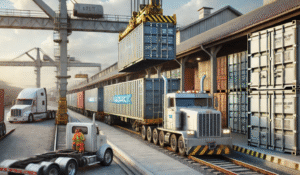
Seattle isn’t just famous for coffee shops and cloud-kissed skylines—it’s also a major logistics hub that fuels trade across the Pacific and North America. A critical component of that system is transloading, a behind-the-scenes process that powers the smooth movement of goods between transportation modes like ships, trains, and trucks. But how exactly does transloading work in Seattle—and why is it so important to the region’s supply chain ecosystem?
In this article, we’ll break down what transloading is, how it operates in Seattle’s unique geography and infrastructure, and why businesses rely on it to keep freight moving efficiently. Whether you’re a business owner, supply chain manager, or logistics enthusiast, this guide gives you a clear understanding of how transloading keeps Seattle’s economy moving. 🌉
🌐 What Is Transloading?
Transloading is the process of transferring cargo from one mode of transportation to another—typically from rail to truck, truck to rail, or ship to either. It allows cargo to be shifted across longer distances without sticking to just one transport method.
For example:
-
Cargo might arrive by container ship at the Port of Seattle.
-
It’s then offloaded to a train at an inland transloading facility.
-
From there, it could be delivered by truck to its final destination in Eastern Washington or even across the country.
This process is especially valuable when:
-
Railroads don’t extend to the final destination.
-
Shippers want to leverage cost-efficient rail for long hauls and flexible trucks for last-mile delivery.
-
Ocean carriers and inland shippers need to optimize logistics across complex geographies.
🚢 Why Seattle Is a Hotspot for Transloading
Seattle is perfectly positioned for transloading due to its location, infrastructure, and global connectivity.
1. Port Infrastructure
Seattle is home to the Northwest Seaport Alliance (NWSA), a powerful partnership between the ports of Seattle and Tacoma. Combined, these ports rank among the top 10 U.S. ports by container volume (NWSA Annual Report).
These facilities handle:
-
Ocean-going container ships
-
Breakbulk and bulk cargo
-
Specialized freight (e.g., automotive and aerospace)
Seattle’s proximity to Asia makes it one of the first stops for cargo entering the U.S. from the Pacific Rim. It’s often cheaper and faster to land in Seattle and distribute from there than going through California.
2. Rail Connections
Seattle is a key node for Class I railroads, including:
-
BNSF Railway
-
Union Pacific Railroad
Transloading facilities located near ports or in industrial zones like Kent Valley or SODO (South of Downtown) offer direct access to rail, allowing goods to switch modes quickly and efficiently.
3. Interstate Highways and Proximity to Canada
Seattle’s easy access to I-5, I-90, and State Route 167 makes it ideal for regional and long-distance trucking. Plus, it’s just a few hours from the Canadian border, making it a strategic point for north-south commerce.
🏗️ How Transloading Actually Works in Seattle
Let’s take a deeper dive into the actual steps of the transloading process in Seattle’s dynamic logistics environment.
Step 1: Cargo Arrives at the Port
Goods arriving by container ship are first offloaded at terminals like:
-
Terminal 18 (on Harbor Island)
-
Terminal 5 (recently expanded to handle ultra-large container vessels)
-
Tacoma terminals for nearby access
These containers may be bound for Seattle itself, or for further shipment inland.
Step 2: Cargo is Moved to a Transloading Facility
Once containers are unloaded, they are trucked or moved via on-dock rail to transloading facilities.
Examples of where this happens:
-
Kent Valley Industrial Zone (a hotspot for warehousing and logistics)
-
Georgetown and SODO districts in Seattle
-
Auburn and Sumner for rail-connected facilities
At these transload sites, cargo is either:
-
Broken down (e.g., palletized, sorted, re-packaged)
-
Shifted from containers to domestic 53-foot trailers
-
Loaded onto rail cars
This is where efficiency, equipment, and expertise come into play. Transloading operators must be able to:
-
Handle forklifts, cranes, and conveyors
-
Sort and label mixed cargo types
-
Minimize damage and maximize throughput
Step 3: Domestic Transport by Truck or Rail
Once loaded into its next transport vehicle, the freight heads out for:
-
Local distribution (e.g., warehouses in Tukwila or Renton)
-
Regional delivery (e.g., Spokane, Portland)
-
National shipment via long-haul trucking or rail networks
This flexibility is the main advantage of transloading. Businesses can shift modes based on cost, speed, and destination.
🔍 Transloading Facilities and Services in Seattle
There are multiple types of transloading services offered in the Seattle area:
🚂 Rail-to-Truck Transloading
Often used for commodities like lumber, steel, or grain. Railcars are offloaded onto trucks for flexible delivery.
🚛 Truck-to-Rail Transloading
Common for bulk shipments moving long distances. Trucks bring goods to a facility where they’re loaded into railcars.
📦 Container Deconsolidation
Full container loads (FCLs) are unpacked and split into smaller shipments for distribution. Useful for retail and e-commerce.
🛢️ Liquid and Bulk Transloading
Specialized terminals can handle chemicals, petroleum, or food-grade liquids. These facilities require safety and environmental compliance.
For more information about how transloading facilities work, the Federal Railroad Administration (FRA) offers resources on multimodal operations (FRA Overview).
🧠 Benefits of Transloading in Seattle
So why do so many companies use transloading services in Seattle?
✅ Cost Savings
Rail is generally more cost-effective for long-haul shipping than trucking. Transloading lets you combine the cost savings of rail with the last-mile flexibility of trucks.
✅ Faster Delivery Times
By shifting between modes, companies can optimize delivery speed based on urgency and location. This is critical for perishable goods and just-in-time inventory.
✅ Inventory Optimization
Transloading facilities often offer warehousing and inventory management, allowing companies to store goods temporarily and release them on demand.
✅ Sustainability
Using rail reduces carbon emissions and fuel consumption. Transloading helps lower the environmental impact of freight movement.
📦 Industries That Rely on Transloading in Seattle
Seattle’s economy is powered by many industries that depend on efficient logistics and transloading:
🌲 Lumber and Forest Products
Transloading helps move logs and lumber from rural Washington areas into Seattle for rail or ship transport.
✈️ Aerospace
Boeing and its suppliers rely on seamless transloading of components and raw materials.
🛍️ Retail and E-Commerce
Retailers use container deconsolidation and cross-docking to get products to distribution centers quickly.
🚗 Automotive
Automobile parts often arrive by ship and are transloaded to trucks for distribution across the region.
🍎 Agriculture
Fresh produce and packaged food products move through Seattle on their way to stores and restaurants nationwide.
🛠️ Challenges of Transloading in Seattle
While transloading brings huge benefits, it’s not without its hurdles:
❗ Port Congestion
Seattle’s ports can get congested during peak shipping seasons, causing delays in transloading schedules.
❗ Infrastructure Strain
Aging roads and limited industrial land in urban Seattle make expansion difficult, prompting investments in nearby cities like Tacoma, Kent, and Sumner.
❗ Weather and Terrain
Rain and winter storms can delay ground transport. Additionally, Seattle’s topography requires careful planning of rail and truck routes.
🌎 The Future of Transloading in Seattle
Seattle is investing heavily in logistics infrastructure to keep up with growing demand. Projects like:
-
Terminal 5 upgrades
-
Port modernization
-
Rail access enhancements
These will further streamline transloading operations. Additionally, technology is playing a big role in shaping the future of logistics:
-
IoT sensors for real-time cargo tracking 📡
-
AI and machine learning for route optimization 🤖
-
Automation at transloading sites to speed up cargo handling 🦾
Expect Seattle to remain a national leader in efficient, tech-driven freight movement.
🧭 Conclusion: Seattle Is a Transloading Powerhouse
From its deep-water ports to its powerful rail links and highway connections, Seattle is built for transloading. The city’s strategic location, infrastructure investments, and access to global markets make it a vital player in North American logistics.
Whether you’re moving consumer goods from Asia to the Midwest, shipping Washington apples across the country, or distributing e-commerce orders to customers in Oregon and Idaho, transloading in Seattle ensures your cargo gets there on time and on budget.
So the next time you sip coffee shipped from Colombia or order electronics made in South Korea, remember—there’s a good chance your goods passed through transloading Seattle network first. ☕📦🌍