

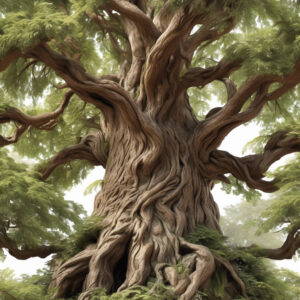
Trees are among the most valuable assets in both urban and natural environments. They provide shade, improve air quality, prevent soil erosion, and contribute to the overall aesthetics and biodiversity of an area. However, managing trees requires specialized knowledge and expertise, as improper care can lead to damage, disease, or even hazardous situations. This is where a tree consultant plays a critical role.
A tree consultant, also known as an arboricultural consultant, is a professional who provides expert advice on tree health, maintenance, risk assessment, preservation, and landscape planning. Their work is essential in urban planning, environmental conservation, and property development, ensuring that trees are managed sustainably and effectively. In this article, we will explore the importance of a tree consultant, their roles and responsibilities, and why hiring one is a wise investment for homeowners, businesses, and municipalities alike.
The Role of a Tree Consultant
Tree consultants perform a wide range of functions that go beyond simple tree care. They provide in-depth analyses of tree health, diagnose diseases, assess risks, and develop strategies to enhance tree longevity. Below are some key roles a tree consultant fulfills:
Tree Health and Risk Assessment
One of the primary responsibilities of a tree consultant is to evaluate tree health. Trees can suffer from various diseases, pest infestations, and structural weaknesses that may not be visible to the untrained eye. A consultant assesses the tree’s condition by examining its leaves, bark, root structure, and overall growth patterns. They use tools such as resistograph drills and sonic tomography to determine internal decay or weaknesses.
Additionally, tree consultants conduct risk assessments to determine if a tree poses a hazard to property or people. Trees with unstable roots, dead branches, or structural defects can become safety hazards, especially during storms or high winds. By identifying these risks early, consultants can recommend appropriate interventions, such as pruning, cabling, bracing, or even tree removal when necessary.
Urban Planning and Development Support
As cities expand and new developments arise, preserving trees becomes increasingly challenging. Tree consultants play a crucial role in urban planning by helping developers incorporate existing trees into their projects or advising on the best species to plant in new developments. They ensure that trees are not unnecessarily removed and that proper protection measures are in place for those that remain.
During construction projects, tree consultants help minimize damage to tree roots and surrounding soil. Improper grading, soil compaction, and excavation can all negatively impact tree health. A consultant works with architects, engineers, and contractors to develop strategies that protect trees, such as implementing tree protection zones and using alternative construction techniques.
Tree Preservation and Conservation
Tree conservation is essential for maintaining biodiversity and protecting endangered species. Tree consultants often work with environmental organizations, government agencies, and landowners to develop conservation plans that preserve heritage and old-growth trees. These trees are not only valuable in terms of aesthetics but also serve as vital habitats for wildlife.
In historic or culturally significant locations, tree consultants ensure that trees with historical importance are well-maintained and protected from damage. They also assist in obtaining permits for tree work in conservation areas, ensuring compliance with local regulations.
Tree Selection and Planting Guidance
Choosing the right tree species for a specific environment is crucial for its long-term health and growth. Tree consultants provide recommendations on suitable species based on climate, soil conditions, available space, and intended use. They consider factors such as drought tolerance, resistance to pests and diseases, and growth patterns to ensure that newly planted trees thrive in their designated locations.
Proper planting techniques are also essential for tree success. A consultant ensures that trees are planted at the correct depth, with adequate spacing, and with soil conditions optimized for root development. They also provide guidance on post-planting care, such as watering schedules, mulching, and pruning practices.
Legal and Compliance Assistance
Many regions have laws and regulations regarding tree removal, pruning, and preservation. Property owners and developers may need permits to alter existing trees, especially those considered protected or heritage trees. A tree consultant helps navigate these legal requirements, ensuring that all actions comply with local ordinances and environmental protection laws.
In cases of disputes over tree ownership, boundary issues, or liability claims (such as when a tree causes damage to a neighboring property), tree consultants can serve as expert witnesses, providing professional assessments and reports for legal proceedings.
Environmental and Ecological Benefits
Trees play a crucial role in combating climate change by absorbing carbon dioxide and improving air quality. A tree consultant contributes to environmental sustainability by promoting responsible tree management practices that enhance carbon sequestration and reduce urban heat island effects.
They also assist in developing green infrastructure initiatives, such as creating urban forests, community gardens, and green roofs. These projects help reduce stormwater runoff, lower energy costs, and create healthier urban environments.
Why Hiring a Tree Consultant is a Smart Investment
Many property owners and organizations may hesitate to hire a tree consultant due to perceived costs. However, the benefits far outweigh the expenses. Here’s why hiring a tree consultant is a wise investment:
Prevention of Costly Damage: Identifying and addressing tree risks early can prevent property damage, injuries, and costly legal claims.
Increased Property Value: Healthy, well-maintained trees enhance curb appeal and can significantly increase property value.
Compliance with Regulations: A consultant ensures that all tree-related activities comply with legal requirements, preventing fines and legal issues.
Long-Term Sustainability: Proper tree selection, planting, and maintenance lead to longer-lasting, healthier trees that contribute to the environment and community well-being.
Improved Safety: Regular tree assessments help reduce hazards, protecting people and property from falling limbs or unstable trees.
Conclusion
Trees are an essential part of our natural and urban landscapes, providing countless ecological, economic, and aesthetic benefits. However, they require professional management to ensure their health, safety, and longevity. A tree consultant plays a vital role in tree preservation, risk assessment, urban planning, legal compliance, and environmental conservation. By hiring a tree consultant, homeowners, businesses, and municipalities can make informed decisions about tree care, ultimately contributing to healthier, more sustainable communities.
Whether you are dealing with diseased trees, planning a construction project, or looking to enhance the greenery in your area, consulting with a professional tree expert is a step in the right direction. Investing in the expertise of a tree consultant not only protects your immediate interests but also ensures that future generations can continue to enjoy the benefits of healthy, thriving trees.