

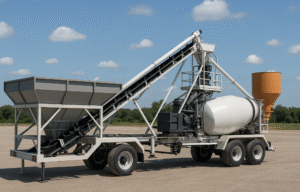
Ready mix concrete is the backbone of modern infrastructure—from highways and bridges to homes, schools, and commercial buildings. As construction demands grow, so does the need for reliable, consistent, and timely concrete delivery. That’s where the ready mix concrete batching plant business comes in. If you’re thinking about launching a venture that quite literally helps build the world around us, you’re in the right place. Starting a ready mix concrete batching plant business isn’t just a smart investment—it’s a powerful way to serve your community while establishing long-term profitability.
In this guide, we’ll break down what it takes to get your ready mix concrete business off the ground (pun intended 😄)—from licensing and location scouting to selecting equipment and attracting your first customers. Let’s pour the foundation for your success!
Understanding the Ready Mix Concrete Industry 🏗️
Before diving into the logistics, it’s essential to understand the scope and scale of the ready mix concrete (RMC) market. According to Statista, the global market for ready mix concrete is expected to surpass $1 trillion by 2027. This growth is driven by increasing demand for infrastructure development, urbanization, and sustainability-focused building techniques.
RMC is a type of concrete that is manufactured in batching plants, according to a set recipe, and then delivered to construction sites in a ready-to-use form using transit mixers. It ensures consistency, reduces waste, and increases project efficiency.
Step 1: Do Your Market Research 🔍
Every successful business begins with thorough research. Consider the following:
-
Local demand: Are there new subdivisions, commercial developments, or roadway projects planned near your target area?
-
Competition: Who are the key players in your area? What can you do better?
-
Target audience: Builders, contractors, developers, and even municipalities can be your clients.
-
Compliance and regulations: Ready mix plants are subject to zoning laws, environmental restrictions, and permits from agencies like the EPA and local authorities.
You’ll want to identify gaps in the local market and position your business to fill them. Research leads to clarity—don’t skip this foundational step.
Step 2: Create a Concrete Business Plan 📊
Your business plan is your roadmap. It should include:
-
Executive Summary: Your mission, business model, and what sets you apart.
-
Market Analysis: Findings from your research.
-
Operational Plan: How and where you’ll produce and deliver the concrete.
-
Marketing Strategy: How you plan to gain traction and attract customers.
-
Financial Projections: Startup costs, revenue estimates, break-even analysis, and growth plans.
Use templates from the U.S. Small Business Administration (SBA) to craft a professional business plan. Investors and banks will likely require this if you’re seeking funding.
Step 3: Choose the Right Location 📍
Location can make or break your batching plant.
Ideal locations have:
-
Access to main roads and highways
-
Space for plant installation, raw material storage, and parking for trucks
-
Zoning approval for industrial or heavy commercial use
-
Proximity to construction sites to minimize delivery time
Tip: Check with your local county or city planning department to ensure your selected property complies with environmental and operational regulations.
Step 4: Get Legal & Environmental Approvals ✅
Operating a batching plant requires licenses, permits, and adherence to environmental rules. Common requirements include:
-
Business registration through your state or county
-
Zoning clearance for industrial activities
-
Air and water discharge permits from the EPA or state agencies
-
Environmental Impact Assessment (EIA) for certain locations
-
Health and safety regulations, including dust control and noise management
Working with a compliance consultant early on can save time and avoid costly penalties.
Step 5: Select the Right Batching Plant Equipment 🏭
You can’t mix concrete without the right tools. Here’s what you’ll need:
-
Batching plant (stationary or mobile)
-
Cement silos
-
Aggregate bins and conveyors
-
Water tanks and pumps
-
Concrete mixers
-
Transit mixers (ready mix trucks)
Decide between a stationary plant (higher volume, less mobility) or a mobile plant (flexible and good for remote areas). Leading equipment suppliers include Erie Strayer, MEKA, and Liebherr.
You may also need backup generators, quality testing equipment, and automated control systems.
Step 6: Set Up the Plant and Hire a Skilled Team 👷
With permits in hand and equipment purchased, it’s time to set up operations.
Hire professionals such as:
-
Plant operators
-
Drivers with CDL licenses
-
Maintenance technicians
-
Sales and dispatch personnel
-
Quality control specialists
Don’t forget safety training! Your team should be trained on OSHA standards, emergency protocols, and safe handling of materials like fly ash and silica.
Step 7: Develop Strong Supplier Relationships 🔗
You’ll need consistent access to:
-
Cement
-
Sand
-
Gravel
-
Water
-
Admixtures (chemical additives for performance)
Work with reliable local suppliers, but also build contingency options in case of material shortages. Negotiate long-term contracts to lock in pricing and ensure steady delivery.
Step 8: Launch Your Brand and Start Marketing 📣
Now comes the exciting part—getting your name out there.
Marketing tactics to consider:
-
Build a website with SEO to rank for terms like “Ready Mix Near Me” or “Concrete Supplier [City]”
-
Google Business Profile listing with photos and reviews
-
Email campaigns and newsletters
-
Networking with construction firms and developers
-
Social media, particularly LinkedIn and Facebook groups for contractors
You can also list your business on construction directories like BuildZoom or The Blue Book.
Step 9: Implement a Reliable Logistics and Scheduling System 📆
Ready mix concrete must be delivered within a specific time window before it starts to set. That means scheduling is everything.
Invest in:
-
Dispatching software
-
GPS vehicle tracking
-
Fleet management systems
-
CRM tools to track orders and client communication
Late or inconsistent delivery can destroy your reputation. Focus on building trust through timeliness.
Step 10: Monitor Quality and Stay Compliant 🔬
You’ll need to maintain consistent product quality and keep up with compliance.
-
Test mix designs regularly
-
Use certified labs to validate slump, strength, and curing properties
-
Track and document materials used in each batch
-
Stay updated with ACI (American Concrete Institute) standards
Your customers—especially those working on large infrastructure projects—will expect proof of consistency and compliance.
Cost Breakdown 💰
Here’s a rough estimate of the major startup costs:
| Expense | Estimated Cost Range |
|---|---|
| Land and Permits | $100,000 – $500,000+ |
| Batching Equipment | $300,000 – $1,000,000+ |
| Trucks and Transit Mixers | $50,000 – $150,000 each |
| Office/Facility Setup | $50,000 – $150,000 |
| Staff Training and Payroll | $100,000+ |
| Marketing and Branding | $10,000 – $50,000 |
| Working Capital (first 6 months) | $200,000+ |
Starting a ready mix concrete plant is capital-intensive, but the long-term rewards can be significant, especially in growing markets.
Bonus Tips for Long-Term Success 🌟
-
Offer custom mix designs for unique projects
-
Expand into precast concrete products over time
-
Pursue DOT or municipal contracts for consistent revenue
-
Invest in sustainability, like using recycled water or carbon-capture additives
-
Create partnerships with local contractors and developers
Keep innovating, and don’t be afraid to reinvest in better technology, training, and customer service.
Conclusion: Build a Business That Lasts 🧱
Starting a ready mix concrete batching plant business isn’t just about mixing cement—it’s about creating the infrastructure that shapes communities, cities, and economies. With the right planning, team, and tools, you can lay the foundation for a business that supports generations of growth and development.
Whether you’re targeting small residential projects or large-scale industrial jobs, the key is consistency, quality, and reliability. If you’re willing to roll up your sleeves, invest in your future, and serve your market with integrity—you’ll be building much more than concrete. You’ll be building a legacy. 💪
Ready to take the first step? Start drafting your business plan and scouting your perfect plant location today. The construction world is waiting. 🏢🚛